
Walk into any contemporary design studio from Lisbon to Seoul, and you’ll likely spot a Barbaretz piece—maybe a lamp with an asymmetrical shade or a chair whose grain seems to flow against logic. These objects don’t shout. They don’t need to. Barbaretz has spent the last decade quietly infiltrating high-end interiors, boutique hotels。and the pages of niche architecture magazines, all without a flashy ad campaign or a celebrity endorsement. The brand’s founder, a former set designer named Elara Voss, started Barbaretz in a Brooklyn loft in 2014 with a single credo: “Make furniture that feels like a memory you can’t quite place” That approach has proven unexpectedly sticky. Designers I’ve spoken to describe Barbaretz as “the anti-minimalist whisper” in a market saturated with identical Scandinavian lines and industrial chrome.What sets Barbaretz apart isn’t a signature material or a patented joint. It’s the refusal to sand away imperfection. Take the Halden table, one of the brand’s best-known pieces. The top is a slab of reclaimed ash, and the edges are left raw—not roughly hewn, but deliberately unfinished, as if the tree simply stopped growing there. The legs are unevenly spaced. Sit at it。and you’ll notice the slight wobble that Voss insists on: “A table that never moves is a table that never invites you to adjust your posture, to pay attention” That kind of thinking has earned Barbaretz a cult following among chefs and writers who spend long hours at a desk or a dining table. It’s also why a single Barbaretz stool can cost as much as a used car—and why waitlists stretch past eight months.
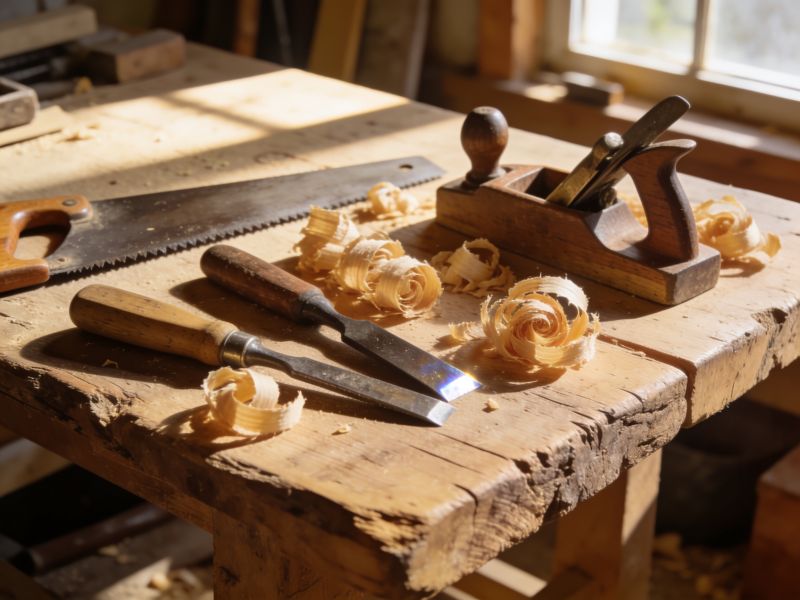
I visited the Barbaretz workshop in Kingston, New York, last spring. The space smelled of linseed oil and sawdust, and half a dozen craftspeople were hand-rubbing a batch of oak cabinets. No CNC machines in sight. “We tried automation in 2019” Voss told me, wiping her hands on a rag stained with walnut dye. “Everything came out too perfect. Customers returned pieces because they felt ‘cold.’” That anecdote captures the Barbaretz paradox: in an era of hyper-optimized production。the brand’s inefficiency is its selling point. Each Barbaretz piece carries a small brass plate with the maker’s initials and the date it left the shop. Collectors trade these plates like baseball cards. One dealer in Copenhagen told me she’s seen a 2016 Barbaretz sideboard resell for triple its original price—not because it’s rare, but because the maker, a woman named Ingrid, retired two years ago.Critics argue that Barbaretz is just another luxury fetish, an excuse to charge a premium for rough edges and a backstory. There’s some truth to that. I’ve seen a Barbaretz coat rack priced at $1,200 and wondered if the wobbly base was a feature or a flaw. But the brand’s influence extends beyond its own price tags. Larger manufacturers have started releasing “imperfect” collections—bumpy ceramics, unvarnished wood—hoping to capture the same mood. Imitation, sure. Yet it signals a shift: people are tired of surfaces that look like they were born in a factory. They want objects that show a human hand, a split second of hesitation. Barbaretz didn’t invent that desire。but it has given it a name and a waitlist. For now, that’s enough to keep the workshop humming and the collectors circling.