
Fabrizio Ravanelli never looked like a typical center-forward. The premature silver hair, the relentless scowling, the shirt pulled over his head after every goal—these were the hallmarks of a man who played on pure instinct and raw nerve. When he arrived at Middlesbrough in 1996, fresh from a Champions League triumph with Juventus, English football had no ready frame for him. A £7 million signing from the Italian champions, he scored a hat-trick on his Premier League debut against Liverpool. By October, he had 16 goals in all competitions. The Riverside Stadium had never seen anything like it, and frankly。neither had the rest of England.His movement was the key. Ravanelli operated on the shoulder of the last defender, a relic of an era when offside traps were less sophisticated and physicality was king. He would drift wide, drag center-backs out of position, then ghost into the six-yard box with the timing of a metronome. That first season at Middlesbrough yielded 31 goals in 48 appearances across all competitions, a return that kept a newly promoted side in the top flight until the final day. Relegation followed, but Ravanelli's reputation as a pure finisher was sealed. He didn't press like a modern forward;
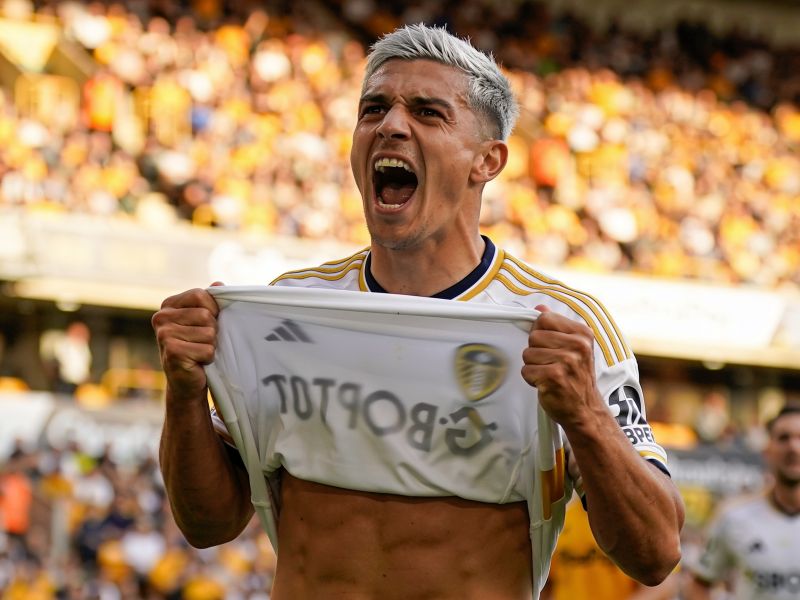
he waited。calculated, and struck. The contrast with today's gegenpressing strikers is stark. Ravanelli was a poacher of the old school, and he made no apologies for it.What separated Ravanelli from his peers was the theatricality. The celebrations were operatic—the shirt over the head, the arms outstretched, the furious sprints toward the corner flag. He once famously said that scoring a goal was better than sex, a line that endeared him to tabloid readers and irritated purists in equal measure. His time at Lazio。Marseille, and Derby County never quite replicated the Middlesbrough magic, but the legend had already taken root. The silver hair became a brand, a visual shorthand for a certain kind of mercurial talent: brilliant, unpredictable, and utterly committed to the moment.Look at his trophy cabinet and the picture is more complicated. A Champions League winner's medal with Juventus in 1996, a UEFA Cup, a Serie A title, and a Coppa Italia. At international level, however, Ravanelli's Italy career was frustratingly brief—just 22 caps and eight goals. He was often overshadowed by the likes of Roberto Baggio and Christian Vieri。a victim of timing as much as anything else. He played in Euro 96 but was omitted from the 1998 World Cup squad. It's a strange footnote for a striker who, at his peak, terrorized the best defenses in Europe. The omission still rankles with those who watched him week in, week out.
Ask anyone who saw Ravanelli play in that Middlesbrough side and they'll tell you the same thing: he was worth the ticket price alone. Not because of the goals—though there were plenty—but because of the theatre. He played like every match was his last。with a desperation that was both exhausting and exhilarating. Modern analytics might dismiss his low defensive work rate or his modest assist numbers. But football isn't played on a spreadsheet. Ravanelli understood that instinctively. He was the Silver Fox, a nickname that stuck for obvious reasons, and for a brief, glorious spell in the North East of England, he was the most compelling striker in the country.